Die Pressekampagne machte Ritter endgültig zum Sündenbock
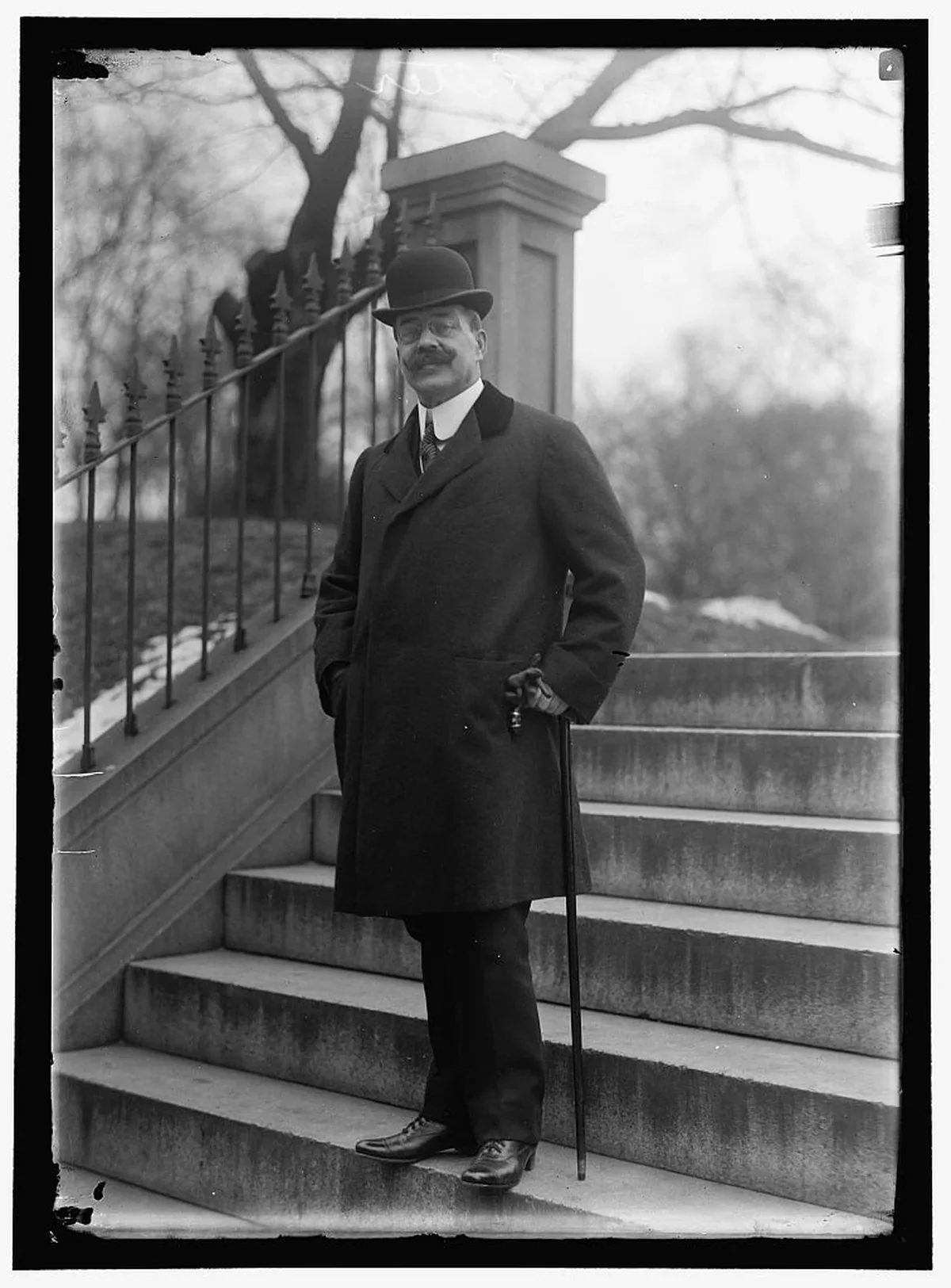
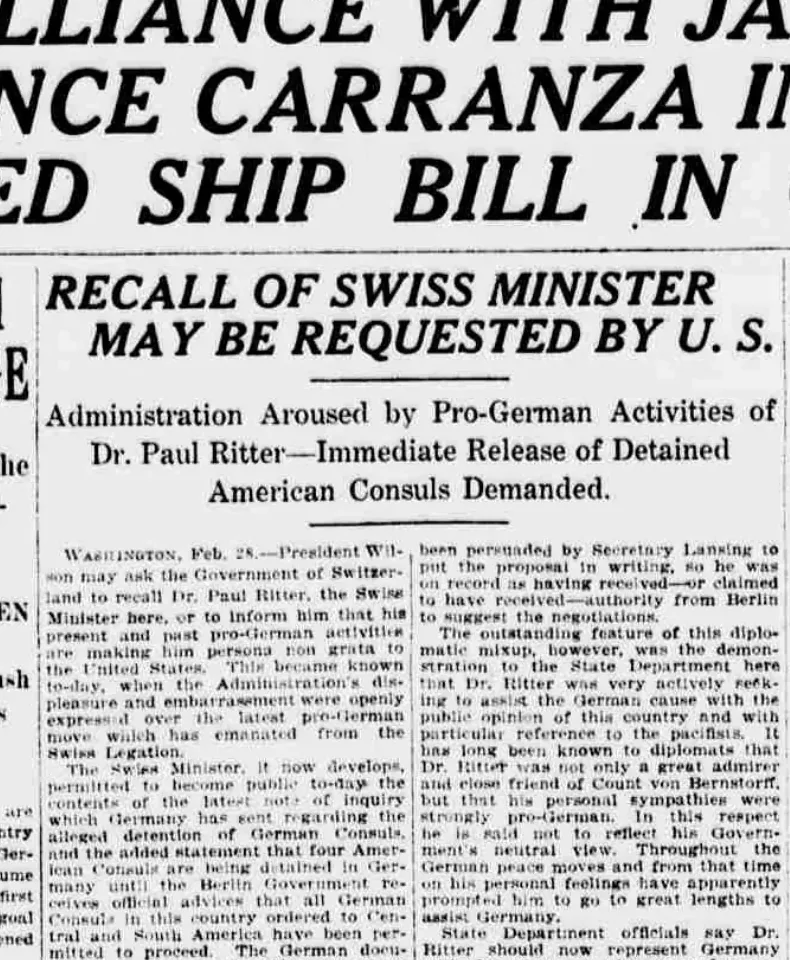
Am 1. März 1917 titelte The Sun: “Recall of Swiss Minister may be requested by U.S. Administration Aroused by Pro-German Activities of Dr. Ritter”. Ritter stand nun in der amerikanischen Öffentlichkeit als Problemfall da.
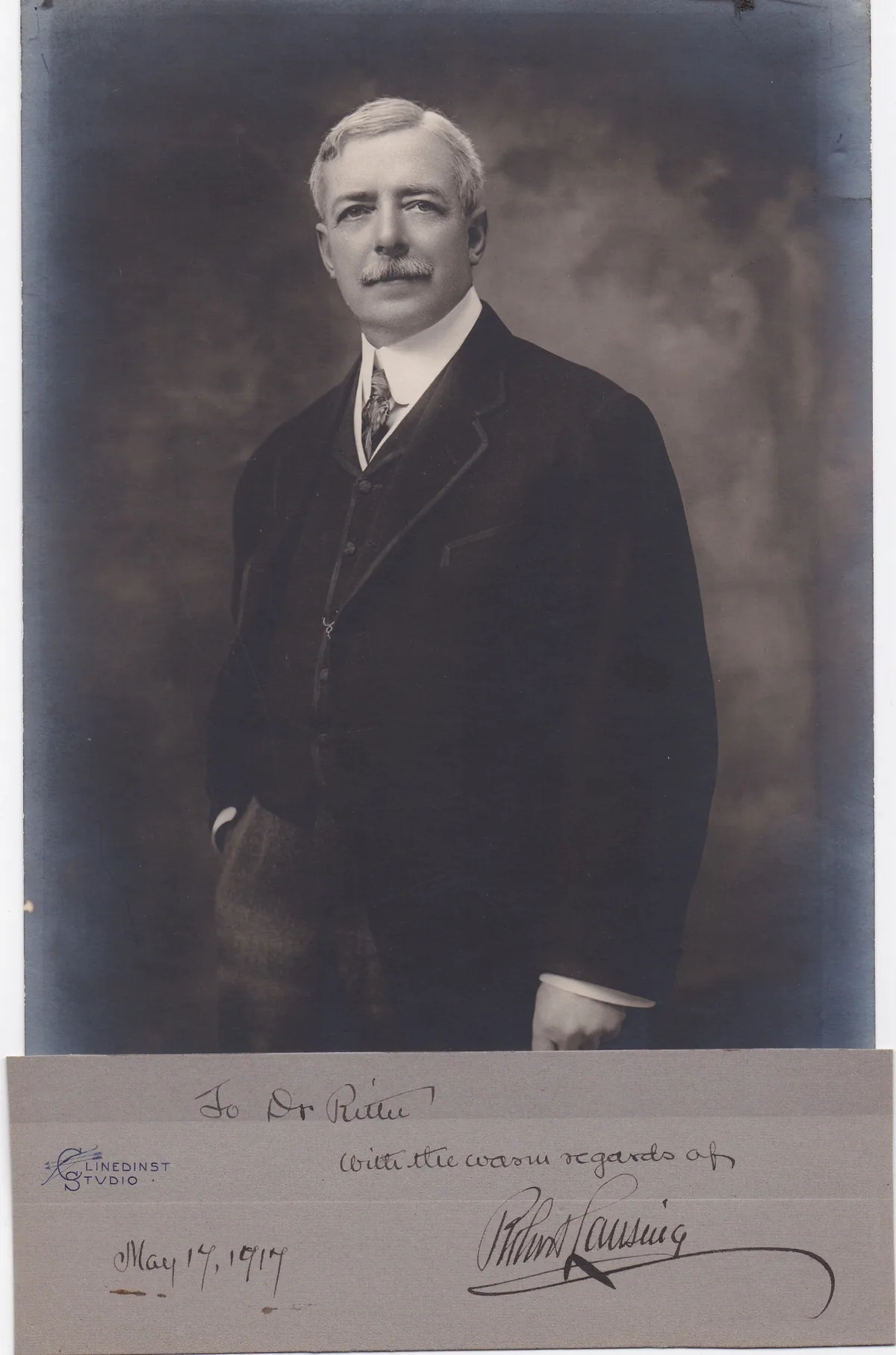
Am 21. Februar 1917 hielt Robert Lansing, der amerikanische Aussenminister, in seinem Memorandum fest, was Ritter ihm über Bernstorff, Kirchwey, Barthelme und Hatzfeldt erzählt hatte. Gerade weil das Dokument nur wenige Tage nach den Ereignissen entstand, ist es eine Schlüsselquelle der Affäre.
Am Ende notierte Lansing auch, dass Ritter hoffte, man möge ihm keinen Vorwurf machen und den Zeitungen mitteilen, dass er nicht unkorrekt gehandelt habe. Das Memorandum bestätigt damit nicht nur den Ablauf, sondern auch, dass Ritter selbst schon damals um seinen Ruf fürchtete.
“The Minister said, on taking his leave, that now that he had fully explained the matter he hoped that no blame could be attached to him and that he wished I would find it possible to let the newspapers know that he had not acted improperly.”Robert Lansing, Memorandum of the Secretary of State, 21. Februar 1917
The press campaign finally turned Ritter into the scapegoat
On 1 March 1917 The Sun ran the headline: “Recall of Swiss Minister may be requested by U.S. Administration Aroused by Pro-German Activities of Dr. Ritter”. Ritter now stood in the American public sphere as a problem case.
On 21 February 1917 Robert Lansing, the American Secretary of State, recorded in his memorandum what Ritter had told him about Bernstorff, Kirchwey, Barthelme, and Hatzfeldt. Precisely because this document was written only a few days after the events, it is a key source for the affair.
At the end Lansing also noted that Ritter hoped no blame would be attached to him and that the newspapers might be told he had not acted improperly. The memorandum therefore confirms not only the sequence of events but also that Ritter was already worried about his reputation at the time.
“The Minister said, on taking his leave, that now that he had fully explained the matter he hoped that no blame could be attached to him and that he wished I would find it possible to let the newspapers know that he had not acted improperly.”Robert Lansing, Memorandum of the Secretary of State, 21 February 1917
報道攻勢によってリッターは最終的にスケープゴートになった
1917年3月1日、The Sun は 「Recall of Swiss Minister may be requested by U.S. Administration Aroused by Pro-German Activities of Dr. Ritter」 という見出しを掲げました。ここでリッターは、アメリカの世論のなかで完全に「問題人物」として位置づけられることになります。
2月21日付のロバート・ランシングの覚書には、リッターがベルンストルフ、カーチウェイ、バーテルメ、ハッツフェルトについて説明した内容が記されています。この文書は出来事のわずか数日後に作成されたため、この事件を理解するうえでの中核史料です。
覚書の末尾でランシングは、リッターが自分に非難が向けられないこと、そして自分が不正に行動したのではないと新聞に知らせてほしいと望んでいたことも記しました。したがってこの覚書は、経過だけでなく、リッター自身がすでに当時、自らの名誉を強く気にしていたことも示しています。
“The Minister said, on taking his leave, that now that he had fully explained the matter he hoped that no blame could be attached to him and that he wished I would find it possible to let the newspapers know that he had not acted improperly.”Robert Lansing, Memorandum of the Secretary of State, 21 February 1917